Abruzzo Zoo 2026 from €9.00: Prices, Tickets, Discounts, and Offers | Hotels
Tickets offer
Zoo of Abruzzo starting from € 9.00 / per personGeneral Info
Discover all theOffersfor the Zoo Abruzzo! For you iEntrance tickets for Zoo Abruzzoat an exclusive price!
Discounted Prices Zoo Abruzzoa:
- Tickets Tickets Zoo Abruzzostarting from 9.00per person
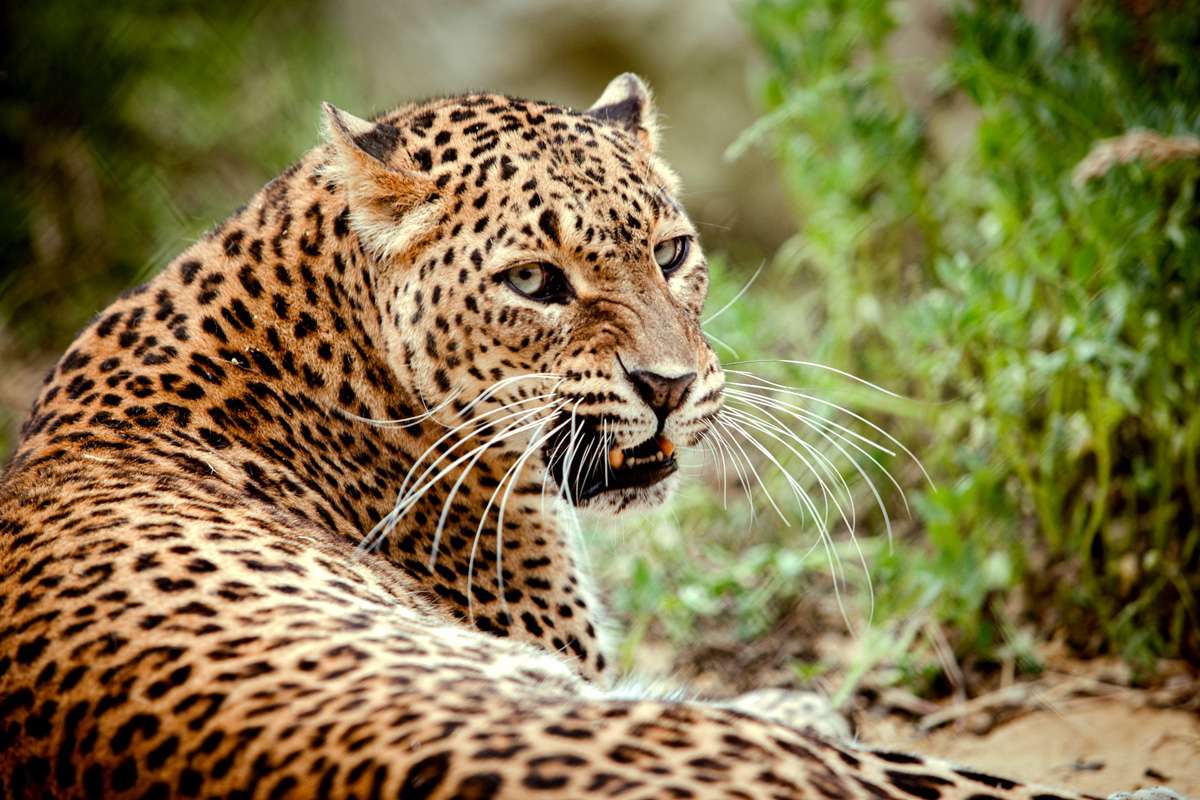
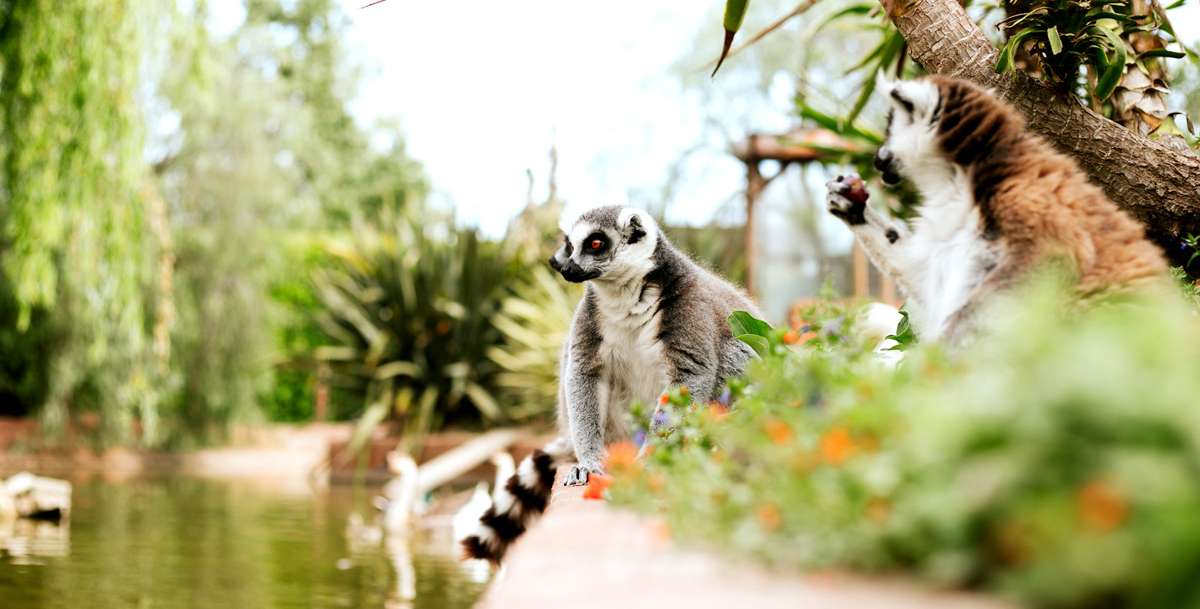
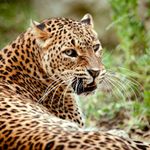
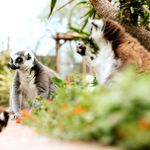
The Zoo of Abruzzo a family-run reality born in 2007 from the love for animals as a simple experiment, which today offers the possibility to adults and children to live one day in close contact with animals from all continents. In our park you will find giraffe, rhinoceros, lion, zebra and lemurs of Madagascar, Africans, Asian elephants and camels, especially Australian and American but also European animals, like fallow deer, owls, and more. Without forgetting the gigantic ones leontigre, born from the cross between a female tiger and a male lion in 2009, today they are the only specimens found in a European park. The Abruzzo Zoo offers a wildlife exhibition with a pedestrian path where you can see the animals from very close. You will be able to interact with them, attend educational demonstrations and participate in interactive workshops that will put children and adults in direct contact with our animal friends.
Lemurs, rhinos, giraffes, parrots, lions, seals and much more await you at our park
OUR OFFER ABRUZZO ZOO
With oursoffer on Zoo Abruzzoyou have the possibility to enter the park saving on the cost of tickets andskipping the lineat the entrance ticket offices. You can also count on telephone and chat support from our staff and guarantee a secure purchase!
Tickets offer
Abruzzo Zoo daily admission - the voucher issued must be exchanged at the park's ticket office.
Zoo of Abruzzo
How to get there
How to Get to the Abruzzo Zoo
The Abruzzo Zoo is located in Rocca San Giovanni, in the province of Chieti , along the picturesque Costa dei Trabocchi. Thanks to its strategic location, it is easily accessible by car or public transport, making it an ideal destination for families, school groups, and tourists visiting Abruzzo. The zoo is located at Contrada Scalzino, 29 - 66020 Rocca San Giovanni (CH).
How to get there by car
The most convenient way to reach the Abruzzo Zoo is by car.
- From Pescara: Take the A14 motorway towards Bari and exit at Lanciano. From there, follow the signs for Rocca San Giovanni and then for the Abruzzo Zoo. The journey takes about 35 minutes.
- From Termoli: Take the A14 motorway towards Ancona and exit at Lanciano. The zoo is about 40 minutes away.
- From Rome: Take the A24 motorway towards L'Aquila, continue on the A25 and then the A14 towards Bari, exiting at Lanciano. The journey takes approximately 2 hours and 30 minutes.
- From Naples: Take the A1 to Caianello, then continue onto the A14 following signs for Lanciano. The journey takes approximately 2 hours and 30 minutes.
How to get there by train
The nearest train stations are:
- They launch
- San Vito-Lanciano
- Ortona
- From the stations you can reach the zoo by taxi or with partner private transport services.
Useful Information
Abruzzo Zoo has a large parking lot dedicated to visitors, making access easy even during peak periods. The facility also offers a camper parking area with dedicated services.
Thanks to its location in the heart of the Trabocchi Coast, a visit to the Abruzzo Zoo can easily be combined with a day at the beach or a visit to the villages and natural beauty of the province of Chieti, making the excursion a complete experience for the whole family.
Weather
Opening
Abruzzo Zoo Opening Hours 2026
If you're planning a visit to the Abruzzo Zoo in Rocca San Giovanni, it's important to check the opening hours before your trip. Opening hours vary throughout the year, allowing visitors to experience the park in optimal weather and animal welfare conditions. The calendar is updated annually and includes both opening days and entry times.
Abruzzo Zoo opening hours
During 2026, the Abruzzo Zoo will observe the following hours:
- From 10:00 to 15:00 during the winter months and during some special openings.
- From 10:00 to 16:00 during the month of March and on some autumn weekends.
- From 10:00 to 17:00 in the spring months and on several days in October.
- From 10:00 to 18:00 from June to August, when the park offers the most extended visiting hours.
Opening Calendar
The annual calendar includes different opening hours depending on the season:
- January: Open only on select days.
- February: Limited opening hours for events and holidays.
- March: Open mainly on weekends.
- April and May: open almost every day, closed on certain dates.
- June and July: open almost daily.
- August: open every day.
- September: open until mid-month almost every day, then mainly on weekends.
- October: Open weekends and some special days.
- November: openings on weekends.
- December: openings during the Immaculate Conception long weekend, during the Christmas holidays, and on some Sundays.
Attractions
Animals, shows and much more:You will be able to observe all our animals very closely and interact with some of them during educational demonstrations and the interactive workshops that the park offers. Nowadays the zoo is no longer just the place where animals can be observed, in some cases even very rare, but it assumes extreme importance in the dissemination of information on issues related to the conservation of biodiversity and strategies to protect the environment.
ZooEDUCATION an educational project, aimed at adults and children, which plays a fundamental role in the life of the park. With the collaboration of our animal friends, thanks to the educational staff it will be possible, with a completely new language based on learning by doing, to enter more deeply into the fantastic world of nature. For this reason, the park offers an educational program aimed at both the school world and visitors who come to our reality every day.
EVERY DAY AT THE ZOO
A small zoo for a large animal:The Asian elephant the second terrestrial mammal by size. While the most abundant African elephant often on the media due to the killings perpetrated by the poachers, little or nothing is told about the conservation status of the Asian elephant in its different subspecies.
Discovering marine mammals: The educational training session with our pinnipeds enables our visitors to get to know these beautiful animals more closely and understand, by observing them directly, the techniques used by the park trainers to communicate with the animals. The morphological characteristics and the differences that characterize seals and sea lions, the biology, ecology, distributional distribution and then again the communication between animal and trainer and the veterinary approach are just some of the topics addressed to allow visitors to approach the world of these animals. You can watch them every day during the training session.
Feeding white rhino:The southern white rhino among the most endangered animals. In nature there are only about 1000 specimens. His northern cousin, close to extinction: there are only 5 specimens left in the world. In a daily session offeeding, you will be able to meet the park staff who will provide you with some information on the biology of rhinos, their management in zoos and their conservation status in the wild.
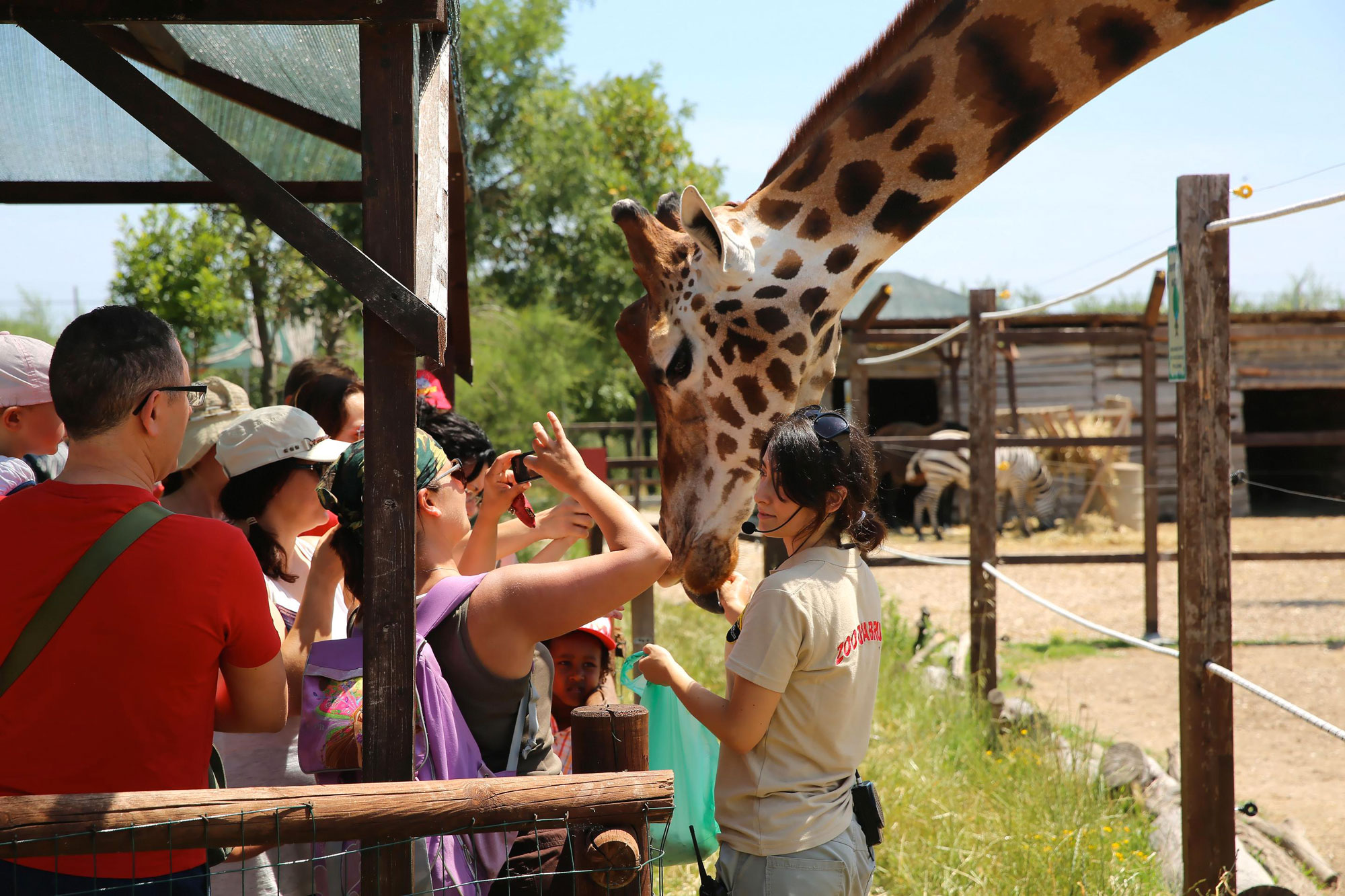
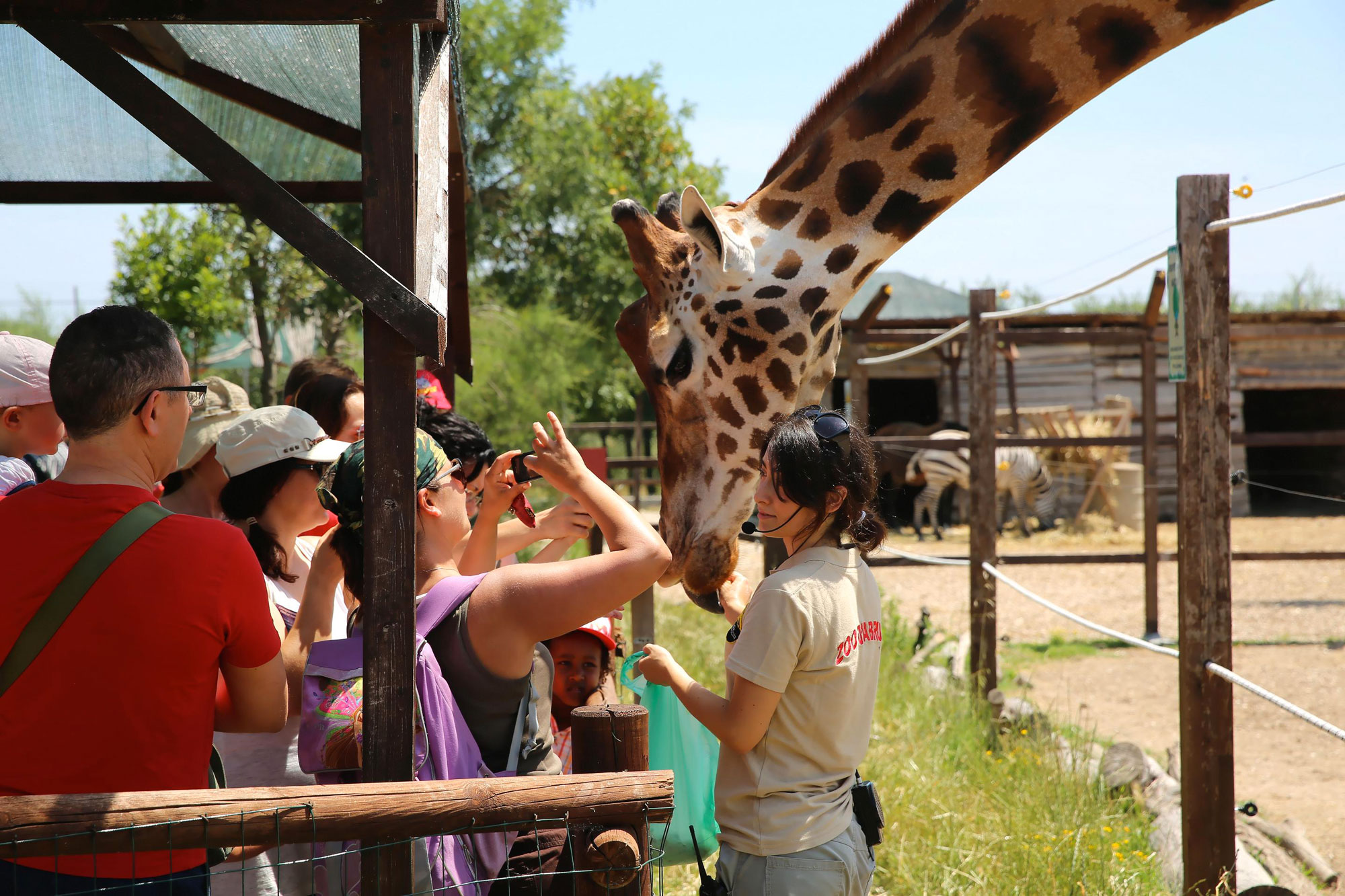
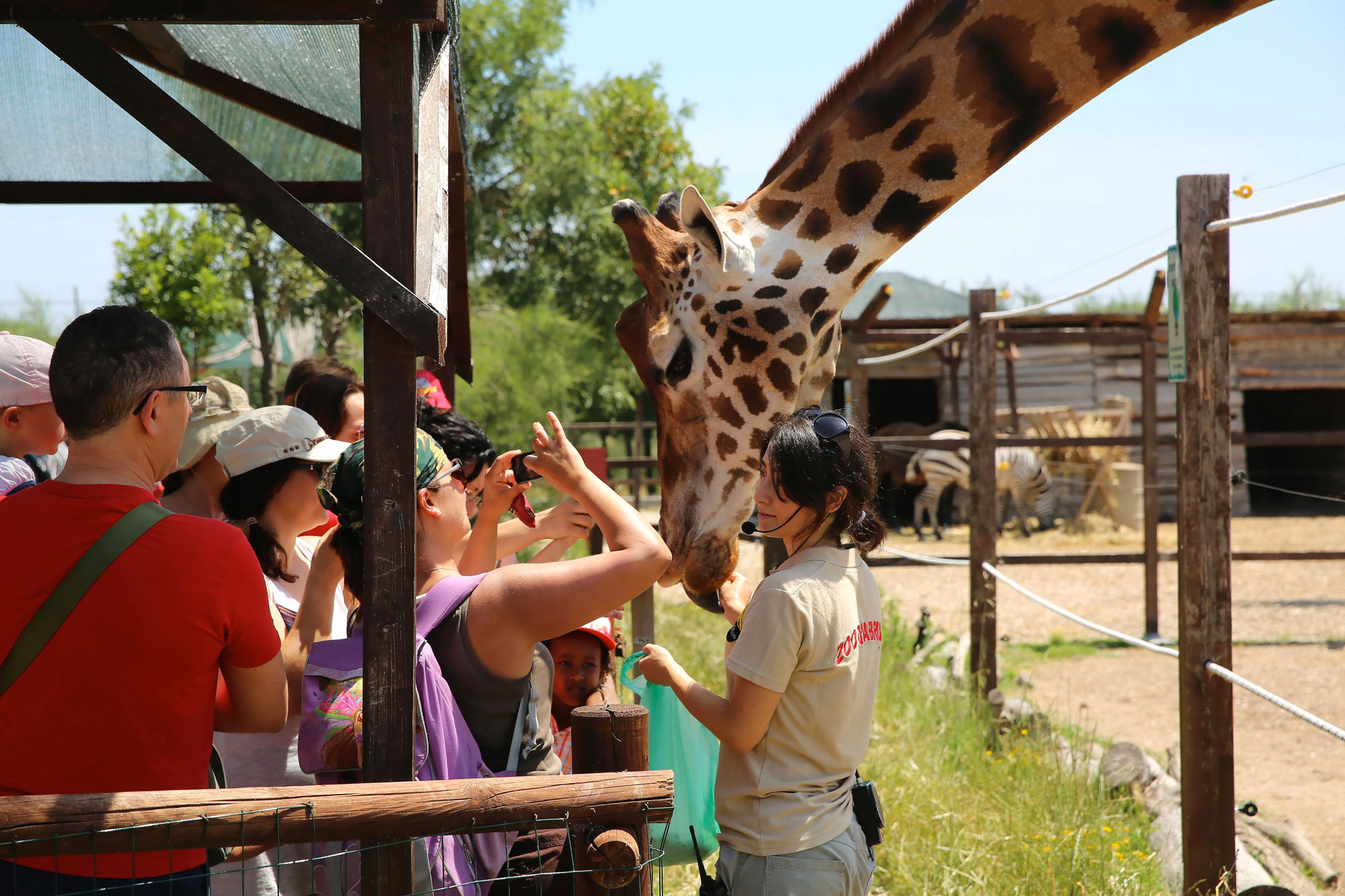
Giraffe Feeding: The Giraffe is certainly one of the symbols of the African continent. In nature a timid animal, difficult to approach, which spends most of its time grazing on the tall trees of the savannah. Sometimes, to graze the low grass, it takes on curious positions, exaggeratingly enlarging its front legs. The giraffes are greedy for acacia, oak and carrot leaves: during the feeding session you can feed them directly from your hands and look into the eyes of the highest animal in the world! Within this educational moment you can also get to know the biology, behavior and conservation status of this elegant animal. Our staff will be happy to answer all your questions.
For schools and groups: educational workshops
The Animals of the Park
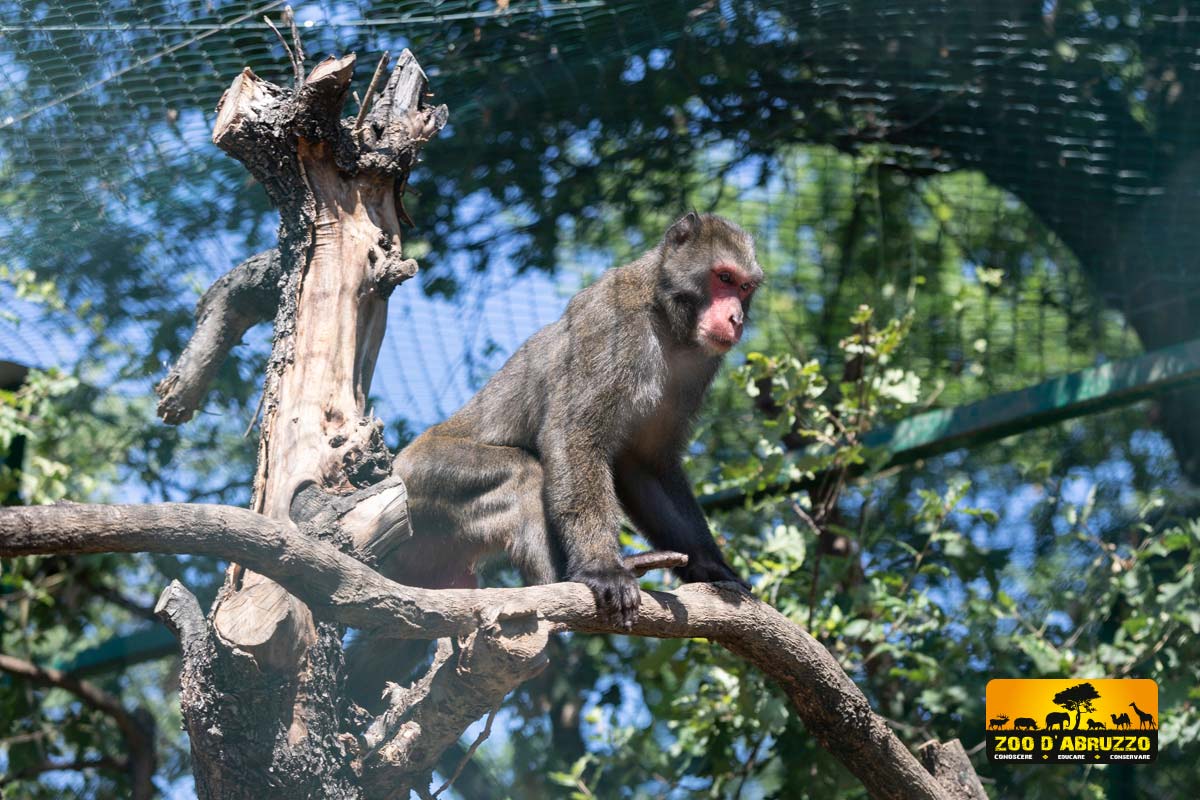
MAMMALS: Indian elephant, Common goat, Ox of the Watussi, Dwarf goat, Giraffe, Fallow deer, Peruvian llama, Wallaby, Nile Lichi, Camel, Alpaca, Antelope, African elephant, Dwarf rabbit, Peruvian guinea pig, Sheep, Arabian horse, White rhinoceros , Lemur, Pony, Porcupine, Horse, Zembra, Donkey, Macaque of Japan, South African Sea Lion
HYBRID:Zebroide
Near it
Attractions near the Abruzzo Zoo
Visiting the Abruzzo Zoo means enjoying an experience immersed in nature, but also having the opportunity to discover some of the most beautiful attractions of the Trabocchi Coast and the province of Chieti. Thanks to its location in Rocca San Giovanni, the park is the ideal starting point for a day dedicated to the sea, history, gastronomy, and the most characteristic villages of Abruzzo.
If you're planning a visit to the Abruzzo Zoo, here's what to see nearby to make your day even more special.
Trabocchi Coast
Just minutes from the zoo is the stunning Costa dei Trabocchi, one of Italy's most enchanting coastlines. Here you can stroll along the Via Verde, relax on the Adriatic beaches, and admire the ancient trabocchi, traditional fishing boats suspended over the sea, a symbol of Abruzzo.
Abbey of San Giovanni in Venere
About 10 minutes from the Abruzzo Zoo stands the majestic Abbey of San Giovanni in Venere, one of Abruzzo's most important monuments. Built on a panoramic promontory overlooking the sea, it offers spectacular views of the Trabocchi Coast and is a must-see for history and art lovers.
Village of Rocca San Giovanni
The historic center of Rocca San Giovanni, listed among the most beautiful villages on the Abruzzo coast, captivates visitors with its cobblestone alleys, scenic squares, and charming views. Strolling through its narrow streets, you can visit the Church of San Matteo, the Civic Tower, and numerous panoramic views of the sea.
Trabocchi of the Coast
After visiting the zoo, you can visit some of the area's most famous trabocchi, such as Trabocco Spezzacatena, or have lunch at a historic trabocco-restaurant like Trabocco Sasso della Cajana, enjoying one of the most authentic experiences of Abruzzo gastronomy.
Butterfly Cave Nature Reserve
For those who love hiking and nature, the Butterfly Cave Nature Reserve offers trails immersed in Mediterranean scrub and splendid sea views. It's a perfect destination for a stroll before or after visiting the zoo.
Beaches of the Trabocchi Coast
The beaches of Rocca San Giovanni and the surrounding towns are easily reached in just a few minutes by car. Among the most popular are Spiaggia della Foce, the coves of Vallevò, and the beaches of San Vito Chietino, characterized by crystal-clear waters and pristine landscapes.
Belvedere of San Vito Chietino
If you want to admire one of the most beautiful views in Abruzzo, head to the Belvedere Marconi in San Vito Chietino. From here, you can see the entire Trabocchi Coast and take unforgettable photographs.
They launch
About 20 minutes from the Abruzzo Zoo is the historic town of Lanciano, famous for its medieval center, historic shops, and the Sanctuary of the Eucharistic Miracle of Lanciano, a destination for pilgrimages from around the world.
A perfect day on the Trabocchi Coast
The Abruzzo Zoo is the ideal destination for a family outing, but it can easily become a starting point for discovering some of the wonders of the Chieti province. A typical day can begin with a visit to the zoo, followed by lunch on a trabocco overlooking the sea, and conclude with a stroll along the Via Verde or through the historic center of Rocca San Giovanni, offering a complete experience of nature, culture, and the authentic flavors of Abruzzo.